


ph6788 | The Intricate World of Strategy Games: Exploring the Depths of Tactical Gameplay
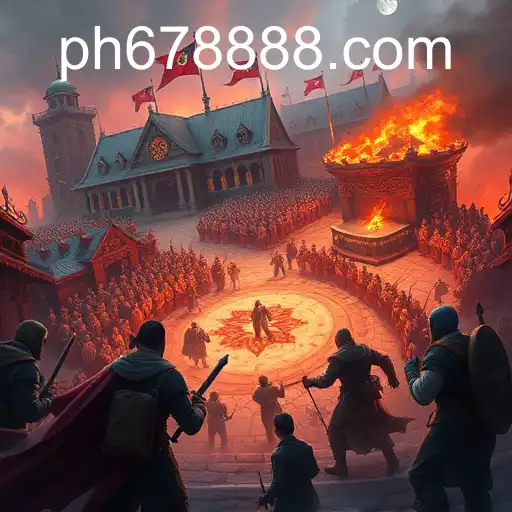
In the vast landscape of digital entertainment, strategy games have carved an indelible niche with their unique blend of tactical decision-making and critical thinking. This genre, often highlighted with themes of warfare, resource management, and territorial expansion, pushes players to exercise not only their tactical skills but also foresight and planning.
The hallmark of strategy games is their ability to give players a commanding perspective over the game world, often requiring them to manage resources and make strategic decisions that impact the course of gameplay. This genre can be further broken down into subcategories like real-time strategy (RTS), turn-based strategy (TBS), and grand strategy, each offering a distinct approach to gameplay.
Real-time strategy games, such as the iconic 'StarCraft' and 'Age of Empires', engage players in continuous action where decision-making and planning occur simultaneously. These games typically feature fast-paced gameplay where players manage resources, build armies, and compete in head-to-head battles.
In contrast, turn-based strategy games like 'Civilization' allow players to ponder strategies over extended periods, focusing on long-term development rather than immediate action. The measured pace of TBS games offers a more contemplative experience where each decision lays the groundwork for future turns.
Grand strategy games, such as 'Crusader Kings', elevate the tactical aspect by incorporating elements of diplomacy, economics, and long-term planning on a large scale, often stretching over vast timelines and world maps.
Beyond entertainment, strategy games contribute significantly to cognitive development. Players develop heightened problem-solving skills, improve their ability to process complex scenarios, and engage in critical thinking. These aspects make strategy games an invaluable tool not just for leisure but also for cognitive enhancement.
With the continual advancement in gaming technology, strategy games have also evolved, offering immersive experiences with enhanced graphics, detailed narratives, and sophisticated AI that challenges the most astute of players. This evolution ensures that strategy games remain a staple of the gaming industry, drawing in both avid gamers and those new to the genre.
As strategy games continue to grow in popularity, the genre promises an intriguing frontier for innovation and engagement. Enthusiasts await new releases that push the boundaries of what is tactically possible, blending historical contexts with futuristic possibilities, and offering a challenging yet rewarding gameplay experience.
